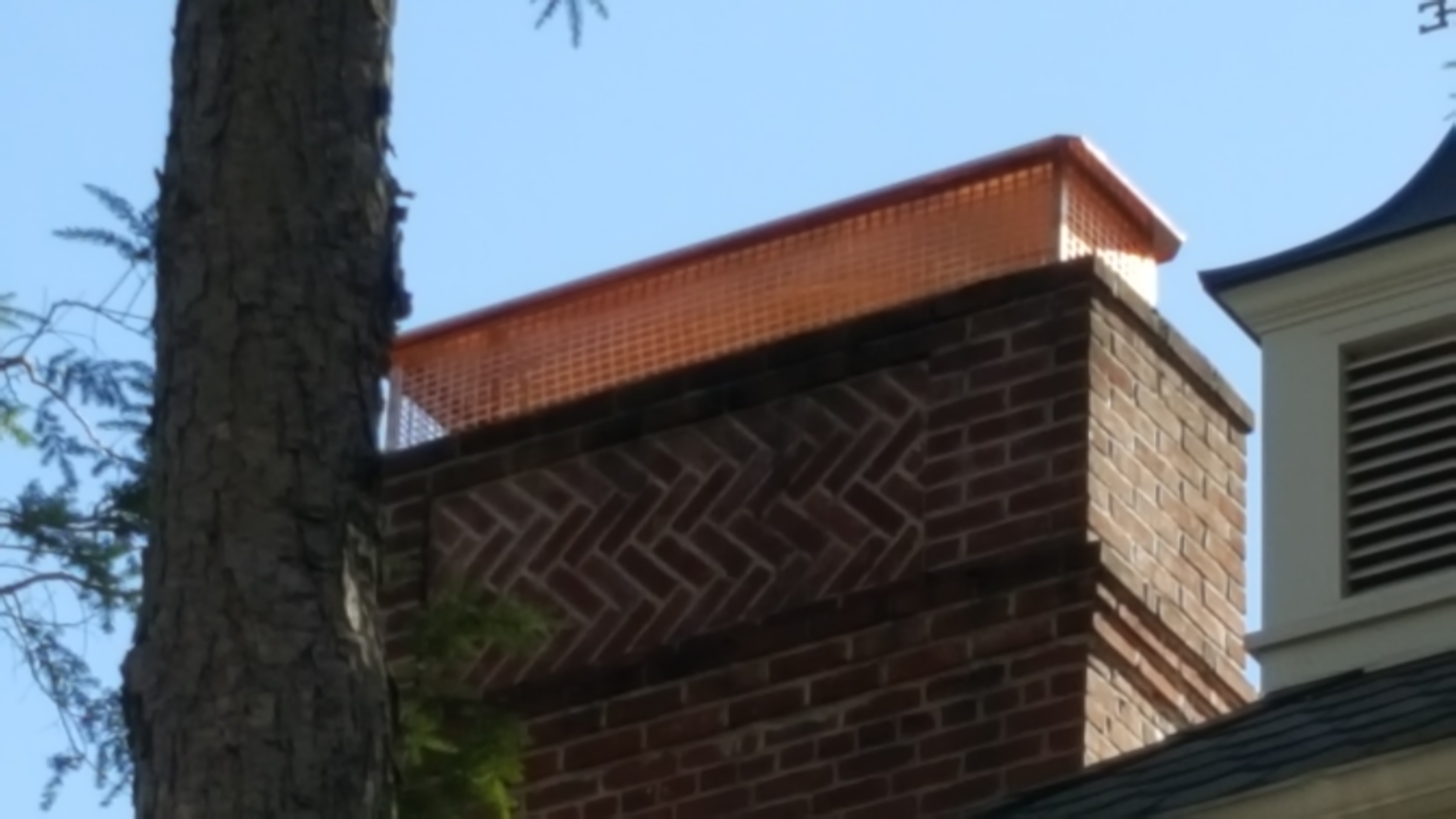
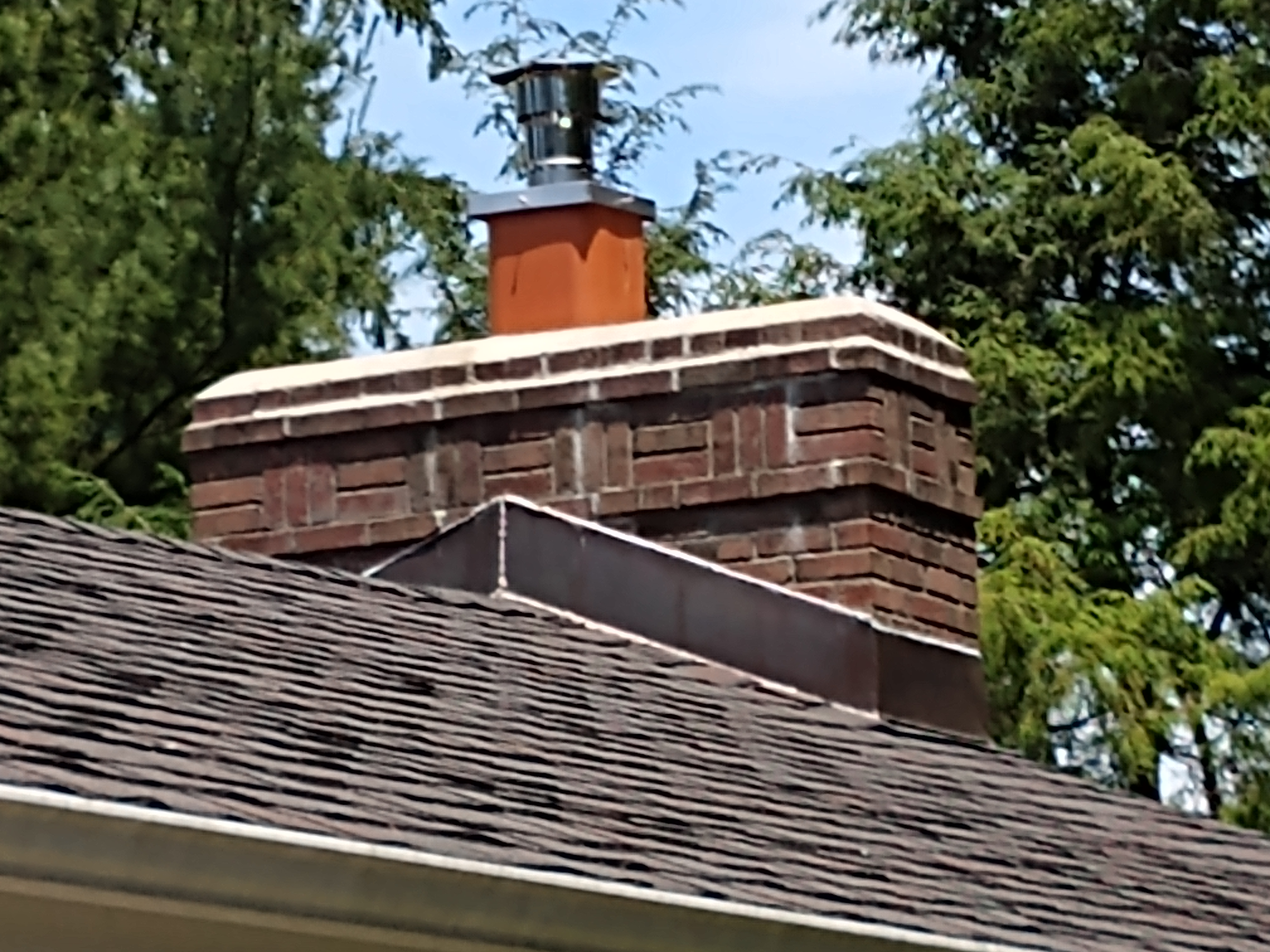
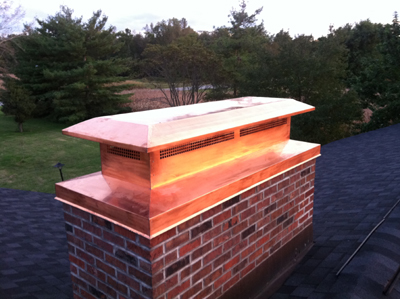
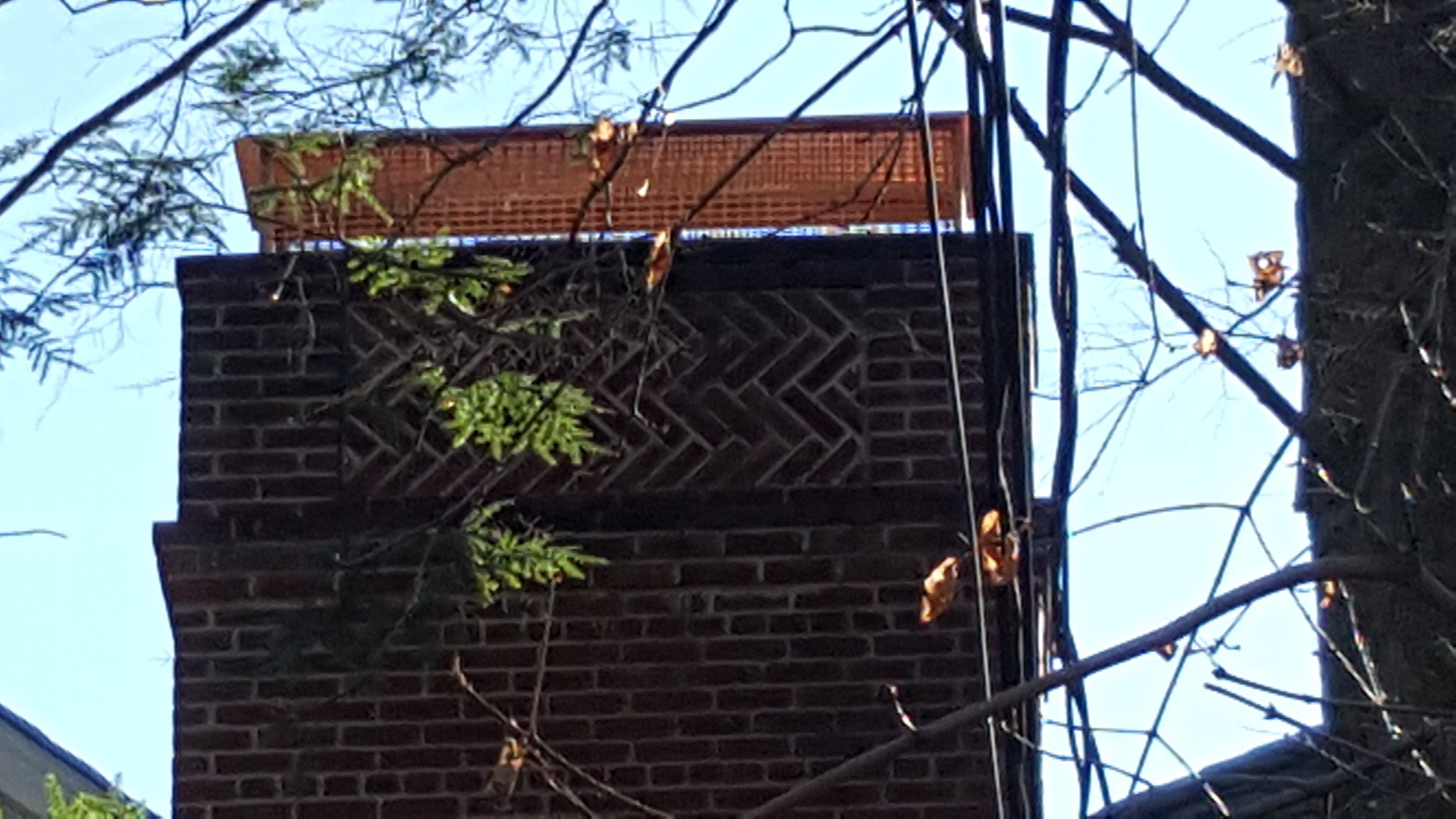
When you own a home in Oyster Bay, protecting your chimney from the elements isn't optional—it's important. A chimney cap is a small metal covering fitted over your flue opening that performs an outsized job in your overall home protection strategy. Without one, your chimney becomes a gateway for water intrusion, wildlife, and debris. Many homes on Long Island were built decades ago, before modern chimney caps became standard practice. If you inherited an older property in Oyster Bay, chances are good that your chimney cap may be missing, damaged, or simply worn out from years of exposure to salt air and coastal weather patterns.
The waters of Long Island Sound and the Atlantic bring moisture and corrosive salt spray inland, even several miles from the shoreline. Residents of Oyster Bay know that weather here is unpredictable and often aggressive. A missing or deteriorated chimney cap leaves your masonry, flue liner, and interior heating system vulnerable to water damage that can cost thousands to repair. Water entering the flue can rot wooden components, damage the damper mechanism, and eventually compromise the entire chimney structure. That single point of entry at the top of your chimney can trigger a cascade of expensive problems throughout your home. DME Maintenance has served homeowners in Oyster Bay and the surrounding Nassau County, NY area since 2001, and water damage from uncapped chimneys remains one of the most preventable issues we encounter.
Animals are equally problematic. Raccoons, squirrels, birds, and other wildlife view an open chimney as an ideal shelter or nesting site. Once inside, these creatures create blockages with nesting material, leave behind droppings that create health hazards, and can become trapped in ways that are both inhumane and costly to address. Oyster Bay homeowners sometimes don't realize they have a wildlife problem until they smell it or hear animals moving inside the flue. Installing or replacing a proper chimney cap with hardware cloth screening keeps animals out while maintaining airflow for your heating system. This is especially critical in Oyster Bay, where the proximity to natural areas means wildlife populations are active year-round.
Debris poses another consistent threat that many homeowners underestimate. Leaves, twigs, seeds, and other material from nearby trees naturally fall downward and accumulate in an open chimney opening. During fall and winter months, this debris piles up quickly, restricting airflow and creating fire hazards. The debris can also trap moisture, accelerating deterioration of your flue liner and chimney structure. In Oyster Bay, where mature trees are common throughout residential neighborhoods, this problem is especially pronounced. A quality chimney cap acts as a first-line filter, preventing debris from ever entering the system in the first place.
Storm season presents acute risks that many residents of Oyster Bay overlook until after damage occurs. High winds can rip away damaged or improperly installed caps, leaving chimneys fully exposed. Nor'easters and coastal storms bring wind-driven rain at angles that would otherwise find entry points around a compromised cap. Heavy snow and ice accumulation can stress a cap's fasteners and seals. If your chimney cap shows rust, separation from the chimney crown, or visible damage after a storm, replacement should be a priority. We recommend that Oyster Bay homeowners inspect their chimney caps after major weather events, particularly during spring and fall storm seasons. Even minor damage can worsen rapidly when exposed to the next storm cycle.
Your heating system depends on proper chimney function regardless of whether you burn wood or oil. Many homes in Oyster Bay rely on oil heat, which produces exhaust that must safely exit through your chimney. A deteriorated cap can disrupt the draft characteristics of your flue, causing your heating system to perform inefficiently or, in severe cases, creating dangerous backdraft situations. Over time, the corrosion on an old cap spreads to the chimney crown and surrounding masonry. What begins as a cap replacement can eventually become a much larger restoration project affecting multiple areas of your chimney. Replacing a cap early is an economical way to protect that larger investment.
Homeowners throughout Oyster Bay have trusted DME Maintenance for chimney cleaning, liner installation, and masonry repairs since 2001. We are a local, Long Island-based, owner-operated company — not a franchise — so when you call, you reach someone who actually knows Oyster Bay and the surrounding communities.
The best time to replace a chimney cap isn't determined by the calendar—it's determined by what you observe. If you notice rust or deterioration, visible damage from weather, animal activity, or water stains inside your fireplace or around your chimney interior, a cap replacement is overdue. Homeowners in Oyster Bay and throughout Nassau County, NY often wait until problems become obvious, but proactive replacement is smarter. Spring is an ideal season for this work since it follows winter weather and prepares your chimney for summer storms. However, a damaged cap should be replaced as soon as you notice it, regardless of season. DME Maintenance responds year-round to replace compromised caps before they trigger cascading damage to your masonry and heating systems.
When you call DME Maintenance at 516-690-7471, you're speaking with a licensed contractor who has spent more than 2001 learning how chimneys actually behave in Oyster Bay's specific climate. We understand the moisture challenges unique to properties near Cold Spring Harbor and other waterside areas. We know which cap designs handle coastal wind better, and why certain installation approaches outlast others on Long Island. We'll assess your current cap's condition, discuss options suited to your specific chimney and home, and complete the replacement work with the attention to detail that homeowners in Oyster Bay deserve. Don't let a small problem become a big expense—call us today at 516-690-7471 to schedule an inspection and protect your home from preventable chimney damage.